
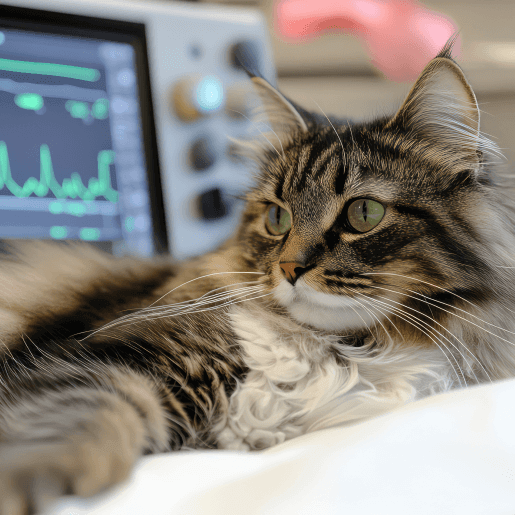
Heart disease can affect pets at any age, though it’s most common in older dogs and cats. While it’s often a serious diagnosis, early detection can make a real difference. Some forms of heart disease are treatable, and many can be managed effectively to help extend your pet’s life and keep them comfortable.
Heart disease has many origins. It can be congenital (meaning your pet was born with it), or it can develop over time through valve abnormalities, irregular heart rhythms, or heartworm disease. Without treatment, any of these can progress to congestive heart failure (CHF), a condition where the heart can no longer pump blood effectively and fluid begins to accumulate in or around the lungs.
Signs to Watch For
Knowing the symptoms of heart disease is especially important if your pet is a senior or a breed predisposed to cardiac issues. Common signs include rapid breathing, coughing, loss of appetite, lethargy, weakness, and difficulty exercising. These symptoms can be subtle at first, which is why regular wellness exams are so important, as they give our team a chance to catch early warning signs before they progress.
Diagnosis and Care
Many heart conditions can be initially detected during a routine physical exam. When further evaluation is needed, our team may recommend additional diagnostics, such as bloodwork, an electrocardiogram (ECG), radiographs, or an ultrasound, to provide a clearer picture of your pet’s heart health and determine the best path forward. We also work closely with Justin Williams, DVM, DACVIM (Cardiology), who performs echocardiograms right here in our hospital. This allows pets to receive advanced cardiac imaging and specialty-level evaluation in a familiar, comfortable environment.
If your pet shows any signs of heart disease or you have questions about our cardiology services, give Ross Valley Veterinary Hospital a call. Early detection is the best tool we have, and we’re here to help.